Pro Tips: Slay Your Auto Paint and Body Game
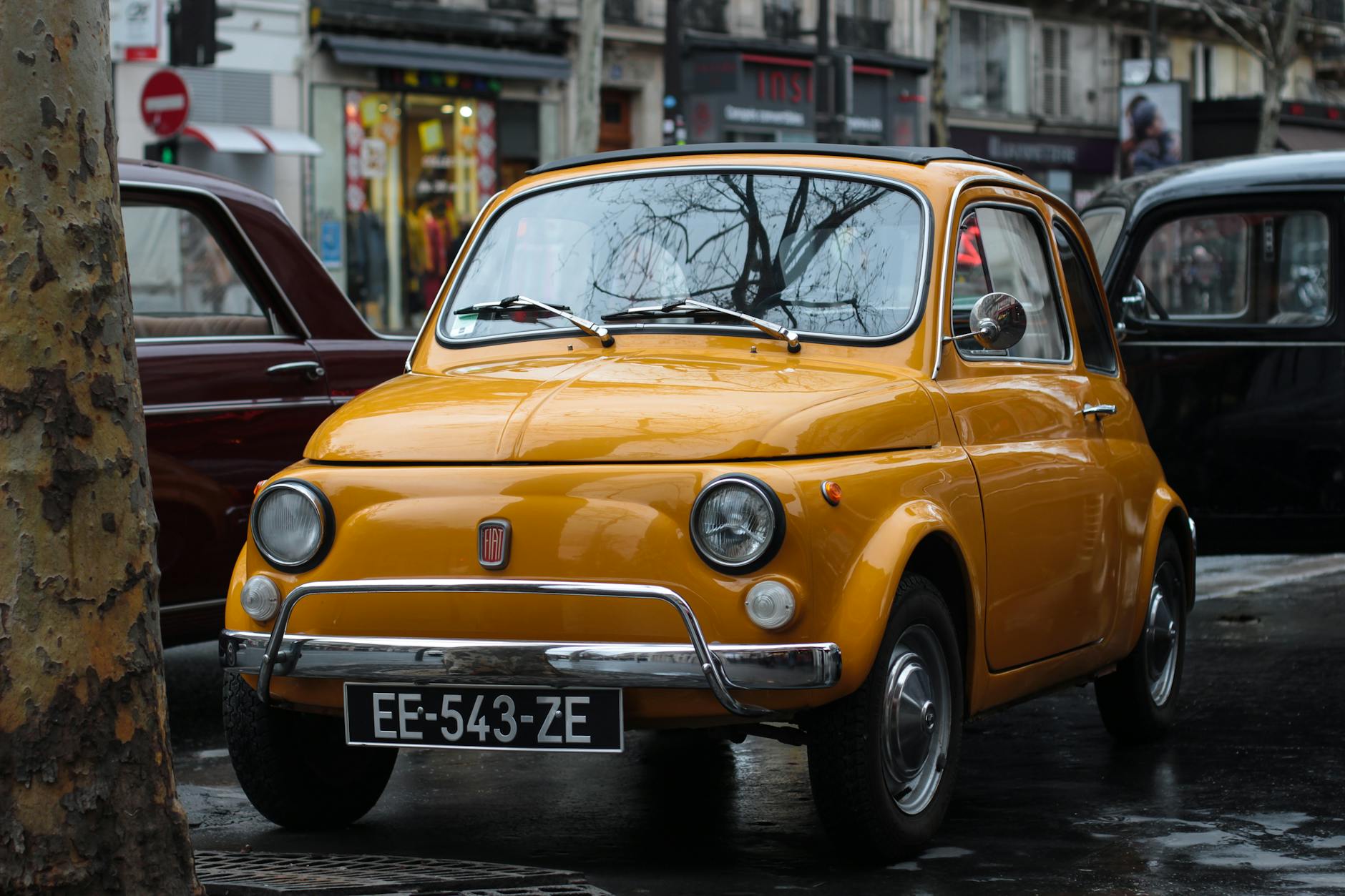
The art of automobile painting and bodywork is both a craft and a science. Achieving that perfect, showroom-quality finish is the goal of many car enthusiasts and professional auto body technicians alike. It requires a combination of skilled artistry, technical knowledge, and the right set of tools and materials.
Follow these pro tips to master car paint and bodywork, ensuring you get flawless finishes, efficient techniques, and long-lasting results that will elevate your auto game.
Preparing the Surface
Before you start the paint process, surface preparation is critical. Any auto paint and bodywork expert will tell you that a pristine surface is a canvas for a perfect finish.
-
Clean Thoroughly: Wash the surface of the vehicle with soap and water to remove any dirt, grease, or grime. Follow with a wax and grease remover for a spotless base.
-
Sand Smoothly: Sand the area you're going to paint. Start with coarser grits to remove the old paint, and finish with fine grit for a smooth surface.
-
Fix Imperfections: Fill any dents or uneven areas with a quality body filler. Once cured, sand the filled areas until they're flush with the vehicle's body.
Choosing the Right Paint
The type of paint you select is crucial for the durability and appearance of the bodywork.
-
Quality Matters: Invest in high-quality automotive paint. It's more durable and provides better coverage than cheaper alternatives.
-
Primer is Key: Use a primer that is compatible with your topcoat. It helps the paint adhere better and results in a more even finish.
-
Color Matching: If you're performing spot repairs, ensure the new paint matches the existing color. Use a color-matching service if necessary.
Efficient Paint Techniques
Applying the paint correctly is just as important as the preparatory work. These techniques will help you achieve a professional look.
-
Use the Right Tools: High-volume, low-pressure (HVLP) spray guns are excellent for applying paint evenly and efficiently.
-
Maintain Distance and Speed: Keep the spray gun at a consistent distance, usually 6 to 8 inches from the surface, moving at a steady speed.
-
Multiple Light Coats: Apply several thin coats rather than one thick coat to avoid drips and ensure even coverage.
Drying and Curing
Allow sufficient time for the paint to dry and cure. This will guarantee the longevity of your work.
-
Follow Manufacturer's Guidelines: Each type of paint has its own drying time. Adhere strictly to the recommended curing times before handling or applying another coat.
-
Use Proper Ventilation: Good airflow helps the paint dry evenly and prevents dust and debris from settling on the surface.
Finishing Touches
Achieving a professional-grade finish requires attention to detail in the final stages of the painting process.
-
Color Sanding: Once the paint is fully cured, sand it with ultra-fine sandpaper to remove any texture or imperfections.
-
Polishing: Polish the painted surface with a high-quality compound to bring out a high gloss shine.
-
Protective Coating: Finish with a clear coat to protect the paint job against UV rays and minor abrasions.
Maintenance
After you've achieved the ideal paint job, keep it looking fresh with proper maintenance.
-
Regular Cleaning: Wash your vehicle regularly to prevent the buildup of dirt and contaminants.
-
Waxing: Use good-quality car wax to provide an additional layer of protection to the paint.
-
Immediate Repairs: Address any chips or scratches quickly to prevent rust and further damage.
By adhering to these professional tips and techniques, your auto paint and bodywork endeavors will result in stunning and long-lasting finishes. With practice and patience, you can indeed slay the auto paint and body game, turning heads with your vehicle’s impressive appearance.